

7 Foods That Are Good for People with Anxiety Disorders and How to Use Them Effectively | Safe and Sound
Anxiety disorders are a common mental health problem that significantly impacts the quality of life for many people. Besides psychotherapy and medication, a healthy diet plays a crucial role in reducing anxiety symptoms. Below is a list of 7 foods that are good for people with anxiety disorders and how to use them effectively, according to advice from mental health experts.
Phi Thuy Linh | Bachelor of Public Health – Application of Safe and Sound Mental Health Care
Institute of Applied Medical Technology
1. Avocado
Avocados are one of the foods rich in monounsaturated fats – a type of healthy fat that plays an important role in maintaining cardiovascular and brain health. In addition, avocados provide a significant amount of vitamin B6 and folate – two nutrients that help regulate the nervous system and stabilize serotonin levels in the brain.
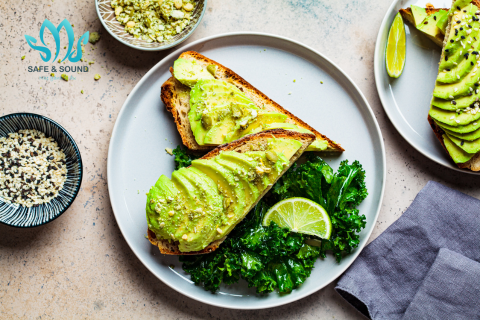
Vitamin B6 and folate in avocados help stabilize serotonin levels in the brain.
Serotonin is a neurotransmitter that plays a crucial role in regulating mood and reducing anxiety symptoms. Regularly incorporating avocados into your diet can help improve mood, increase concentration, and reduce stress.
How to use it effectively:
- Eat them directly or mash them to make guacamole to serve with brown rice bread.
- Combine avocado with green salads or smoothies to boost your nutrient intake.
According to psychologists, adding avocado to your daily diet may help reduce anxiety and improve concentration.
2. Milk
Milk is not only a rich source of calcium but also contains tryptophan – an essential amino acid for the body to synthesize serotonin – a hormone that helps regulate sleep, stabilize mood, and reduce anxiety.
In addition, milk is also rich in vitamin D, an important nutrient in supporting the efficient functioning of the nervous system and preventing psychological disorders.
How to use it effectively:
- Drinking a glass of warm milk before bed can improve sleep and reduce anxiety.
- Combine milk with oatmeal or fresh fruit for a nutritious breakfast.
According to psychologists, quality sleep is a crucial factor in managing the symptoms of anxiety disorders.
3. Green tea
Green tea is known for its high content of L-theanine, an amino acid that soothes the nervous system and improves concentration without causing drowsiness. L-theanine stimulates the production of alpha waves in the brain, helping to reduce stress and anxiety and promote a feeling of gentle relaxation. Additionally, green tea contains many antioxidants such as catechins, which help protect the brain from free radical damage and improve its ability to cope with stress. Drinking green tea daily helps keep the body alert while maintaining mental balance.
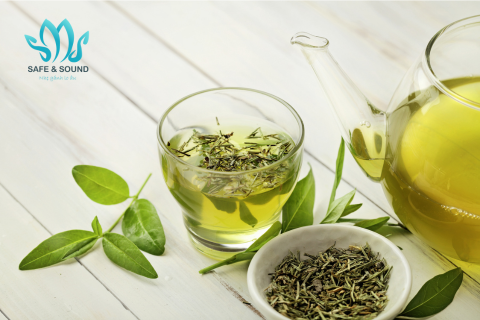
L-theanine in green tea helps reduce stress and anxiety.
How to use it effectively:
- Drink 1-2 cups of green tea each day, in the morning or afternoon.
- It should not be drunk in the evening to avoid affecting sleep.
Psychologists recommend green tea as a beverage to help you maintain alertness and mental stability.
4. Salmon
Salmon is one of the richest sources of omega-3 fatty acids, particularly the two essential fatty acids EPA and DHA. Omega-3s not only help reduce inflammation but also improve brain function, enhance nerve signal transmission, and stabilize emotions. Research shows that regular omega-3 supplementation significantly reduces symptoms of anxiety and depression and improves concentration. Salmon is also rich in vitamin D, which supports hormone regulation and enhances mental health.
How to use it effectively:
- Grill, pan-fry, or make a salmon salad with greens and avocado.
- Eat salmon 2-3 times a week to optimize your omega-3 intake.
According to psychologists, omega-3s from salmon have a positive impact on mental health and the ability to cope with stress.
5. Brown rice
Brown rice is a source of complex carbohydrates, which help maintain stable blood sugar levels, thereby reducing anxiety caused by blood sugar fluctuations. In addition, brown rice contains many B vitamins, especially B1 and B6, which support nervous system function and help the body cope better with stress. The magnesium content in brown rice also contributes to relaxation and reduces nervous tension, helping you feel more comfortable and calm in stressful situations.
How to use it effectively:
- Replace white rice with brown rice in your main meals.
- Combine it with salmon and green vegetables for a nutritionally balanced meal.
Psychologists believe that maintaining stable blood sugar levels can significantly reduce feelings of anxiety.
[Insert expert call-to-action banner]
6. Berries (blueberries, strawberries, raspberries)
Berries like blueberries, strawberries, and raspberries are rich in antioxidants such as anthocyanins and vitamin C, which help combat oxidative stress – a cause of brain cell damage and increased anxiety. The antioxidants in berries not only protect nerve cells but also support the production of dopamine, a neurotransmitter that improves mood and promotes feelings of happiness. Adding berries to your daily diet helps strengthen your body's ability to withstand stress.
How to use it effectively:
- Eat it directly as a snack or combine it with yogurt and oatmeal.
- Add berries to smoothies or salads to enhance flavor and nutrition.
Psychologists recommend regularly including berries in your diet to improve your health and increase your resilience to stress.
7. Walnuts
Walnuts are an excellent source of plant-based omega-3s, particularly alpha-linolenic acid (ALA), which helps improve brain health. In addition, walnuts contain vitamin E and magnesium, two nutrients that help reduce stress, stabilize mood, and improve concentration. Eating walnuts regularly can improve memory, reduce anxiety, and promote natural relaxation.
How to use it effectively:
- Eat a small handful (about 28g) each day as a snack.
- Add it to salads, oatmeal, or baked goods to enhance flavor and nutrition .
According to psychologists, adding walnuts to your diet may help improve memory and reduce anxiety.

A healthy diet plays a crucial role in supporting the treatment of anxiety disorders. Incorporating the foods mentioned above can improve brain function, stabilize emotions, and reduce stress. However, for the most effective anxiety management, you should combine a healthy diet with a healthy lifestyle and consult with a mental health professional for specific guidance.

Safe and Sound Clinic - Family mental and health support
With a team of experienced doctors and specialists, Safe and Sound Clinic is a pioneer in comprehensive healthcare, offering services ranging from medical to psychological care.
"Early preparation - Timely support - Long-term partnership."
If you suspect you have a mental health problem, or would like more information about our counseling services, please contact our HOTLINE at 0964 778 911 (Phone/Zalo, 24/7) for prompt assistance and answers!
HOW TO SCHEDULE AN APPOINTMENT for online or in-person consultation with a specialist.
- On the SNS Psychologist Fanpage
- Alternatively, download and schedule a consultation on the Safe and Sound app to manage and track your appointments anytime, anywhere.
Safe and Sound - part of the Institute of Applied Medical Technology (IMT)
See more:
When should you see a doctor for anxiety disorders?
How does the 4-7-8 breathing technique reduce stress and anxiety?
